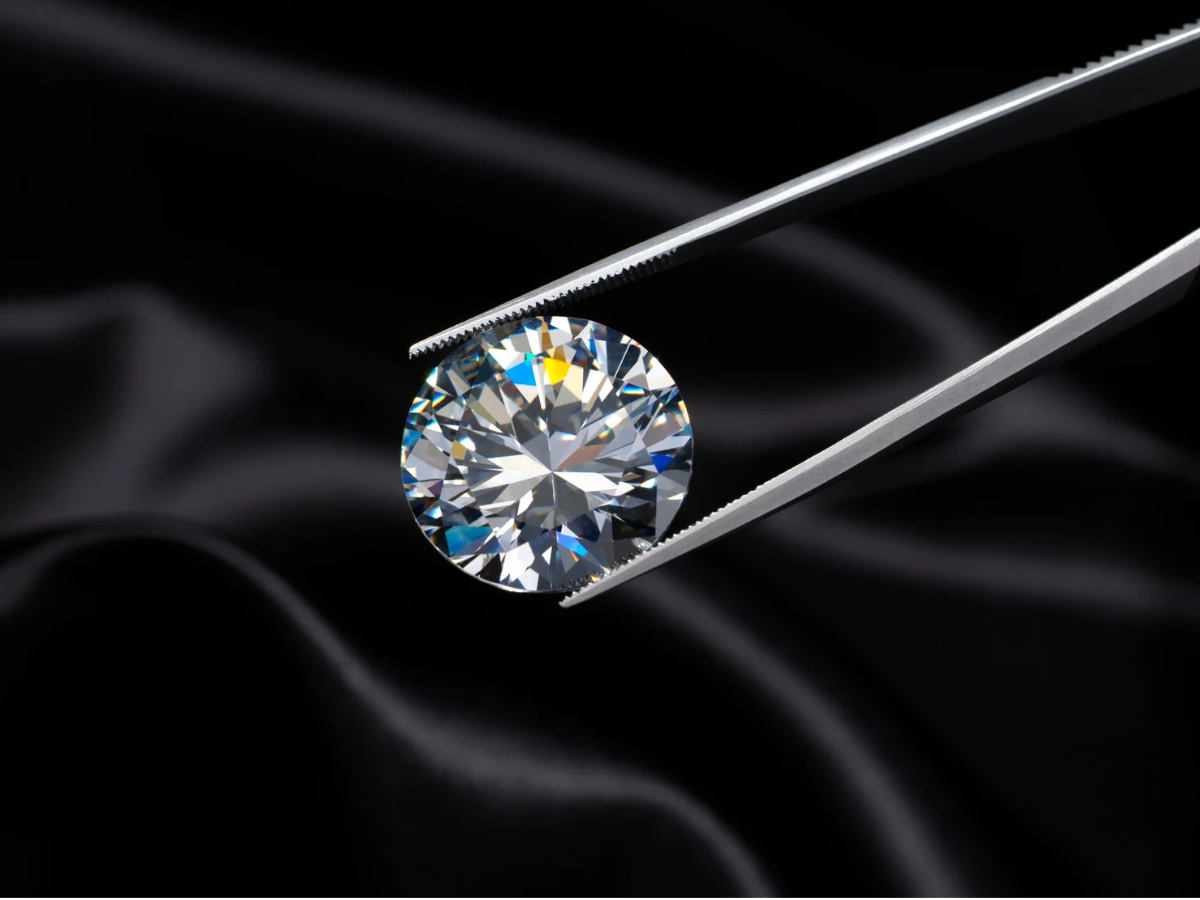
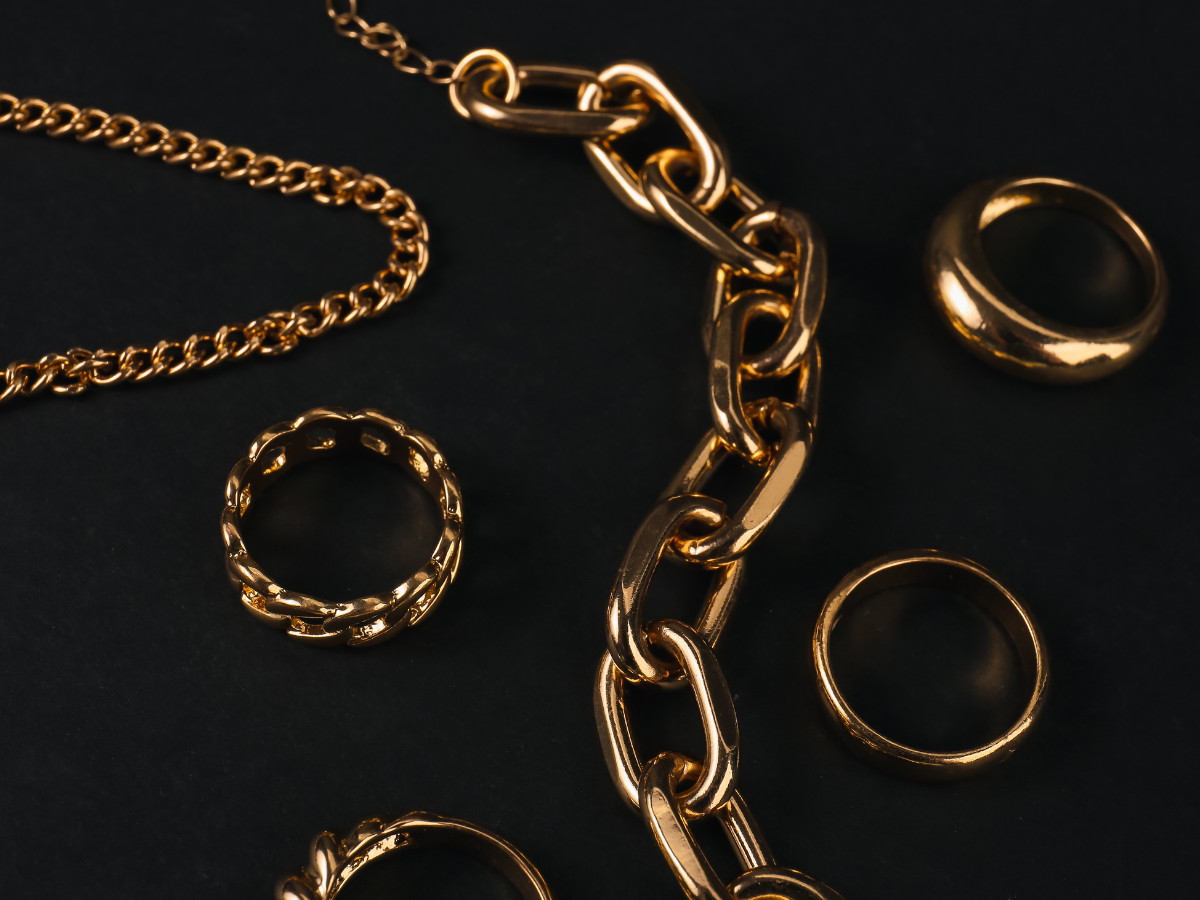
Diamonds are among the most recognized and sought-after gemstones in the world, but not every diamond carries the same value. Two diamonds that appear nearly identical can have significantly different prices depending on their quality, characteristics, and market demand.
If you’re considering selling a diamond ring, loose diamond, or other diamond jewelry, understanding how buyers determine value can help you make an informed decision and recognize a competitive offer.
At Pacific Jewelry Buyers, we evaluate diamonds and fine jewelry to help customers understand what their pieces may be worth. Whether you own an engagement ring, an inherited diamond, or a loose gemstone, several important factors influence its resale value.
Ready to sell your diamonds? Contact Pacific Jewelry Buyers today for top offers.
Here are seven key factors that affect what a diamond buyer may be willing to pay.
1. Carat Weight: How Much Does Your Diamond Weigh?
Carat weight is one of the most recognizable factors in diamond valuation. A carat measures a diamond’s weight rather than its physical size, with one carat equaling 200 milligrams.
Larger diamonds generally command higher prices because they are less common than smaller diamonds of comparable quality.
However, diamond prices do not increase at a fixed rate with carat weight. A two-carat diamond may be worth substantially more than twice the price of a comparable one-carat diamond.
Certain carat weights, such as 1.00, 1.50, and 2.00 carats, can also attract additional demand because buyers frequently search for these sizes.
While carat weight matters, it does not determine value on its own. A smaller diamond with excellent quality characteristics may be worth more than a larger diamond with visible flaws or undesirable color.
2. Cut Quality: How Well Does Your Diamond Sparkle?
A diamond’s cut affects how it reflects light and creates the brilliance and sparkle that make diamonds desirable.
Cut quality refers to the proportions, symmetry, and craftsmanship of a diamond rather than simply its shape.
For standard round brilliant diamonds, the Gemological Institute of America (GIA) uses the following cut grades:
- Excellent
- Very Good
- Good
- Fair
- Poor
A well-cut diamond reflects light effectively, producing brilliance, fire, and scintillation.
Poor proportions can cause light to escape through the diamond, reducing its visual appeal even when the stone has excellent color and clarity.
Diamond buyers consider cut quality because it influences both appearance and market demand.
For fancy-shaped diamonds, such as oval, pear, emerald, and cushion cuts, buyers evaluate proportions, symmetry, and visual performance using criteria appropriate to the shape.
3. Diamond Color: How Colorless Is Your Stone?
Color plays an important role in determining a diamond’s value.
For diamonds in the standard colorless-to-light-yellow or brown range, GIA uses a grading scale from D to Z.
The scale includes:
- D–F: Colorless
- G–J: Near Colorless
- K–M: Faint Color
- N–R: Very Light Color
- S–Z: Light Color
Diamonds with less noticeable color generally command higher prices when other quality factors remain equal.
However, color differences can be difficult to detect without specialized lighting and professional grading equipment.
Fancy-colored diamonds follow a different valuation system. Natural pink, blue, green, and certain other fancy-colored diamonds can be exceptionally valuable because of their rarity and desirability.
When evaluating a diamond, a professional buyer considers its color grade alongside its cut, clarity, carat weight, and overall appearance.
4. Clarity: Does Your Diamond Have Inclusions or Blemishes?
Clarity describes the presence of internal characteristics, called inclusions, and external characteristics, called blemishes.
Most natural diamonds contain some imperfections formed during their creation.
GIA evaluates clarity using an established grading system:
- Flawless (FL): No inclusions or blemishes visible under 10× magnification
- Internally Flawless (IF): No inclusions visible under 10× magnification
- Very, Very Slightly Included (VVS1–VVS2): Extremely difficult-to-see inclusions
- Very Slightly Included (VS1–VS2): Minor inclusions
- Slightly Included (SI1–SI2): Noticeable inclusions under magnification
- Included (I1–I3): Inclusions that may affect transparency, brilliance, or durability
Higher clarity grades generally increase a diamond’s value, particularly when combined with desirable color, cut, and carat weight.
However, not all inclusions affect a diamond equally.
Buyers also examine the location, size, type, and visibility of inclusions. A diamond with imperfections that are difficult to see without magnification may still have strong resale potential.
5. Diamond Shape and Market Demand
A diamond’s shape influences its appearance, popularity, and resale value.
Round brilliant diamonds often attract broad demand because of their classic appearance and light performance.
Other popular shapes include:
- Oval
- Cushion
- Emerald
- Princess
- Pear
- Radiant
- Marquise
- Asscher
Consumer preferences change over time, and certain shapes may become more desirable as jewelry trends evolve.
For example, an oval diamond may attract strong interest among buyers seeking an elongated appearance, while an emerald-cut diamond may appeal to customers who prefer clean lines and a distinctive step-cut design.
However, shape alone does not guarantee a higher resale price.
Diamond buyers compare stones with similar characteristics and consider current market demand when determining an offer.
6. Natural vs. Lab-Grown Diamonds
One of the most significant factors affecting diamond resale value is whether the diamond formed naturally or was created in a laboratory.
Natural diamonds develop through geological processes, while manufacturers produce laboratory-grown diamonds using specialized technology.
Both types are diamonds, and they share essentially the same chemical composition and many physical and optical properties.
However, their market values can differ substantially.
Natural diamonds generally command higher resale prices than comparable lab-grown diamonds because of differences in supply, market positioning, and consumer demand.
Lab-grown diamond prices have also experienced substantial changes as production technology and availability have evolved.
Some jewelry buyers may offer little or no resale value for lab-grown stones, while others may purchase them depending on market conditions and their individual buying policies.
If you’re unsure whether your diamond is natural or lab-grown, a professional evaluation can help identify its origin and determine how that affects its potential resale value.
7. Diamond Certification and Grading Reports
A diamond grading report can help establish a gemstone’s characteristics and provide important information to prospective buyers.
Independent gemological laboratories evaluate diamonds and document factors such as carat weight, color, clarity, cut characteristics, and other identifying features.
Well-known grading organizations include:
- Gemological Institute of America (GIA)
- International Gemological Institute (IGI)
A grading report can make it easier for a buyer to evaluate a diamond’s quality and compare it with similar stones.
However, a grading report is not the same as a monetary appraisal and does not guarantee a particular resale price.
A diamond without a grading report may still hold substantial value.
Professional diamond buyers can examine uncertified diamonds and assess their characteristics using appropriate gemological equipment.
If you have a grading report, appraisal, or original purchase documentation, bring it with you when selling your diamond.
How Much Is My Diamond Worth?
A diamond’s resale value depends on more than its original purchase price.
When evaluating a diamond, buyers consider its quality characteristics, whether it is natural or lab-grown, current market demand, and the potential resale price of comparable stones.
For diamond jewelry, additional factors may influence the overall offer, including:
- The value of gold, platinum, or other precious metals in the setting
- The quality and value of any additional gemstones
- The jewelry’s condition and craftsmanship
- Designer or luxury brand recognition
- Current demand for the complete piece
A diamond engagement ring may have value as a finished piece of jewelry, while another ring may be worth more when evaluated based on its individual diamond and precious metal components.
An experienced jewelry buyer considers these factors to determine the most appropriate valuation.
Why Is My Diamond’s Resale Value Different From Its Retail Price?
One of the most common questions diamond owners ask is why their diamond may be worth less than what they originally paid.
Retail jewelry prices often include expenses beyond the value of the diamond itself, such as manufacturing, store operations, marketing, and retailer profit margins.
A professional diamond buyer evaluates what the diamond or jewelry can realistically sell for in the current secondary market.
As a result, a diamond’s resale value may differ significantly from its original retail price or insurance replacement appraisal.
An insurance appraisal typically estimates the cost of replacing a piece of jewelry, not the amount a buyer would pay to purchase it from you.
Understanding this difference can help you establish realistic expectations before selling.
Can You Sell a Diamond Without a Certificate?
Yes. You can sell many diamonds even if you no longer have the original grading report, purchase receipt, or appraisal.
Although documentation can help verify a diamond’s characteristics, professional buyers can evaluate stones without original paperwork.
If your diamond is mounted in a ring or other jewelry, a buyer may need to estimate certain characteristics that are difficult to assess while the stone remains in its setting.
For some diamonds, additional testing or independent grading may help establish a more precise valuation.
Before paying for certification or having a diamond removed from its setting, consider speaking with a professional buyer to determine whether those steps are necessary.
Should You Get Your Diamond Appraised Before Selling?
A professional appraisal or evaluation can help you better understand your diamond’s characteristics and potential value.
However, the type of valuation matters.
An insurance appraisal typically focuses on replacement cost, while a resale evaluation considers what a buyer may realistically offer in the current market.
If your goal is to sell your diamond, seek an evaluation that accounts for current resale conditions rather than relying exclusively on an older insurance appraisal.
At Pacific Jewelry Buyers, we evaluate diamonds and fine jewelry with attention to their individual characteristics and market demand.
Where Can You Sell Your Diamond?
Choosing an experienced diamond buyer can make the selling process more straightforward.
A knowledgeable buyer should carefully examine your diamond, consider its quality characteristics, and explain the factors that influence the offer.
Selling to a local jewelry buyer also allows you to discuss your diamond in person and ask questions about its valuation.
Whether you are selling a diamond engagement ring, an inherited piece of jewelry, or a loose diamond, understanding the evaluation process can help you make a confident decision.
Sell Your Diamonds at Pacific Jewelry Buyers
If you have a diamond you no longer wear or wish to sell, understanding its value is an important first step.
At Pacific Jewelry Buyers, we purchase diamonds, fine jewelry, gold, platinum, and other valuable items. We evaluate each piece individually, considering its quality, condition, materials, and current market demand.
Whether you own a diamond engagement ring, a loose natural diamond, or an inherited piece of fine jewelry, our team can help you understand the factors that influence its resale value.
Image Courtesy of Canva